Clothing as Architecture
We often think clothes are about style. In reality, they’re about structure. Just as architecture shapes how we move through a space, clothing shapes how we move through the world. What we wear quietly influences posture, movement, and the way we hold ourselves.
The Body Responds First
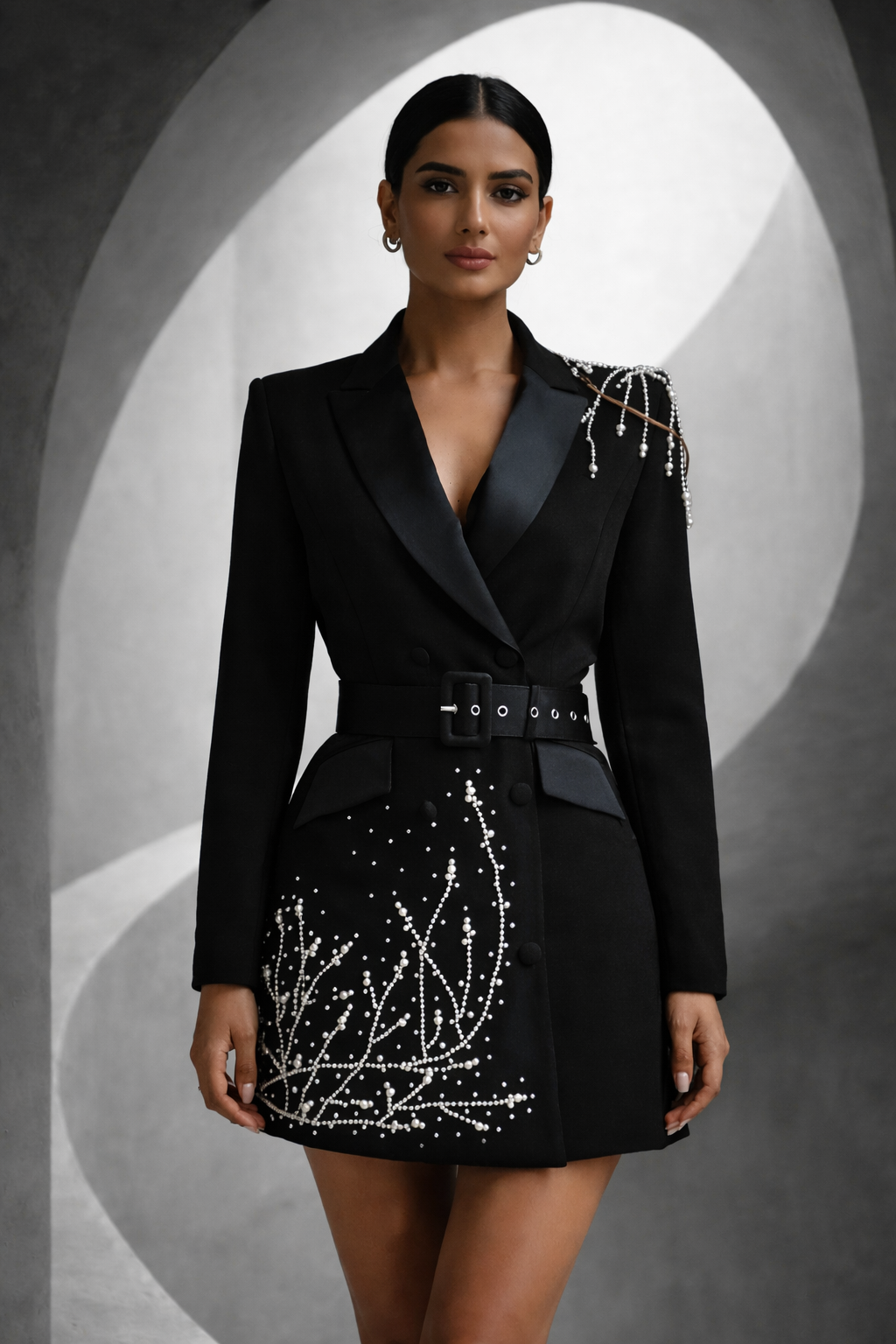
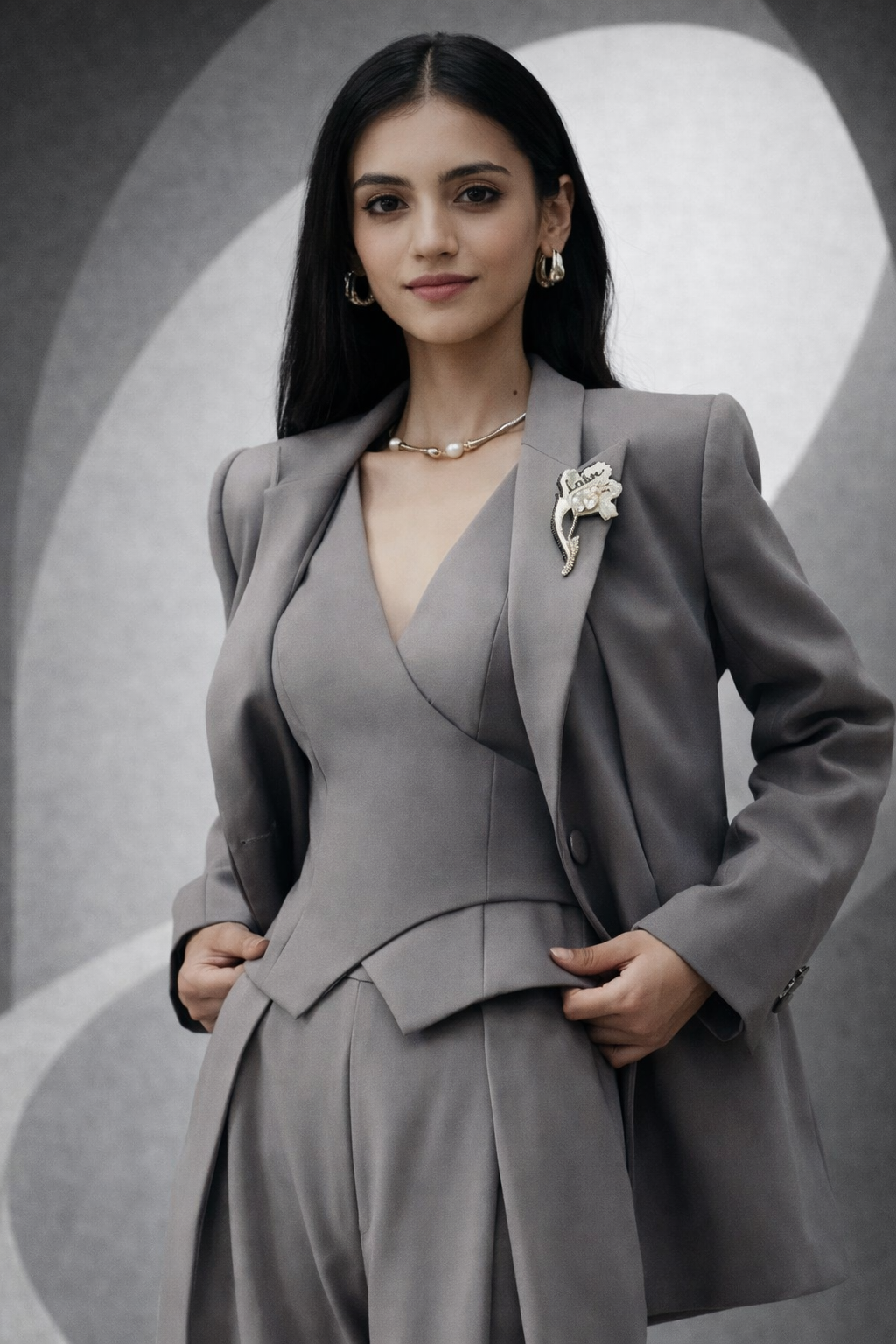
A sharply tailored blazer doesn’t just sit on the body, it organizes it. Defined shoulders pull the spine upward while clean lapels frame the chest. Before the mind registers it, posture adjusts. You stand straighter. You occupy space with intention.
Movement with Intention
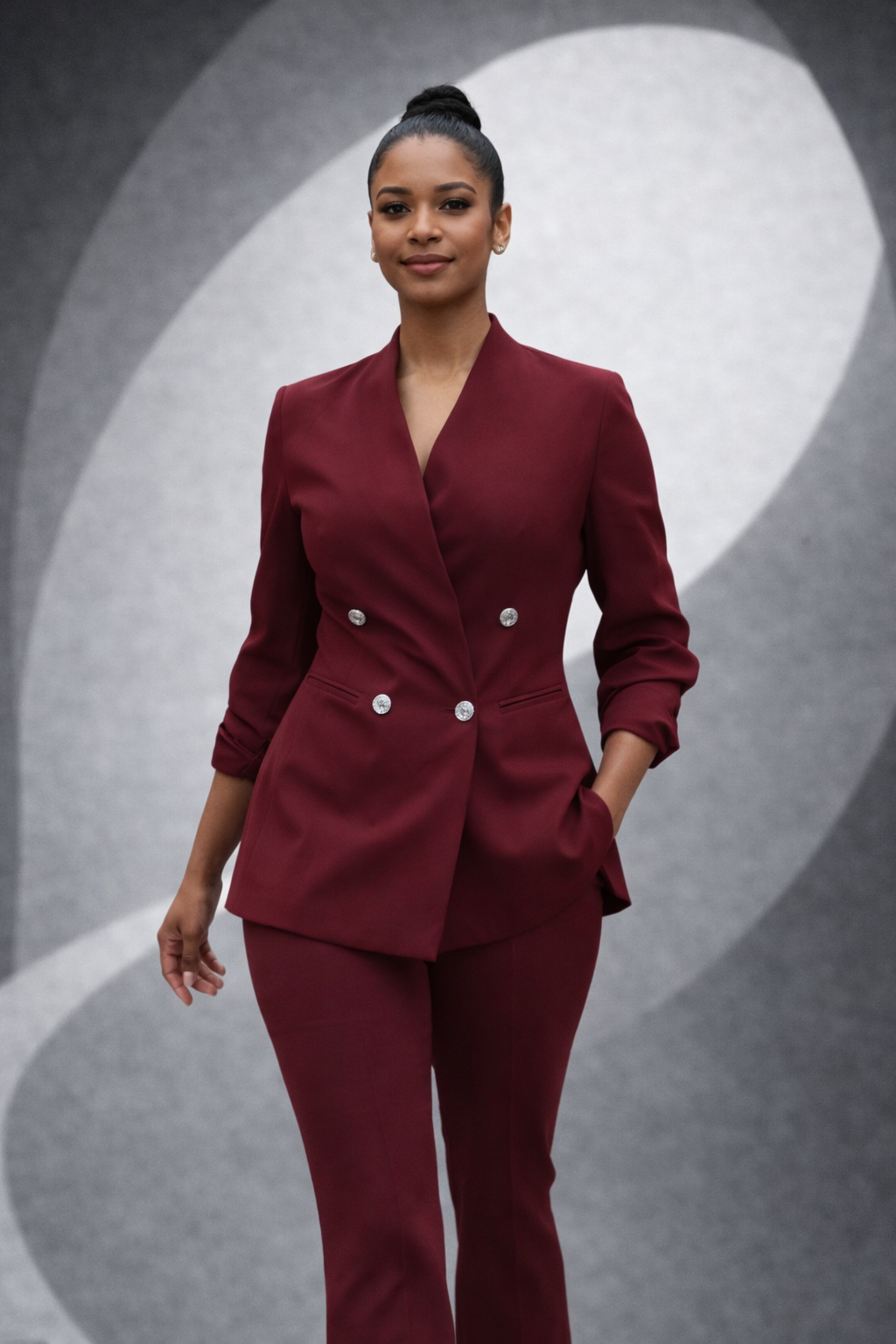
Tailored pants work in a subtler way. A precise waist, a controlled fall, a deliberate crease they guide your stride. Your walk becomes measured and grounded. You don’t rush into a room. You arrive.
Emotion in Form
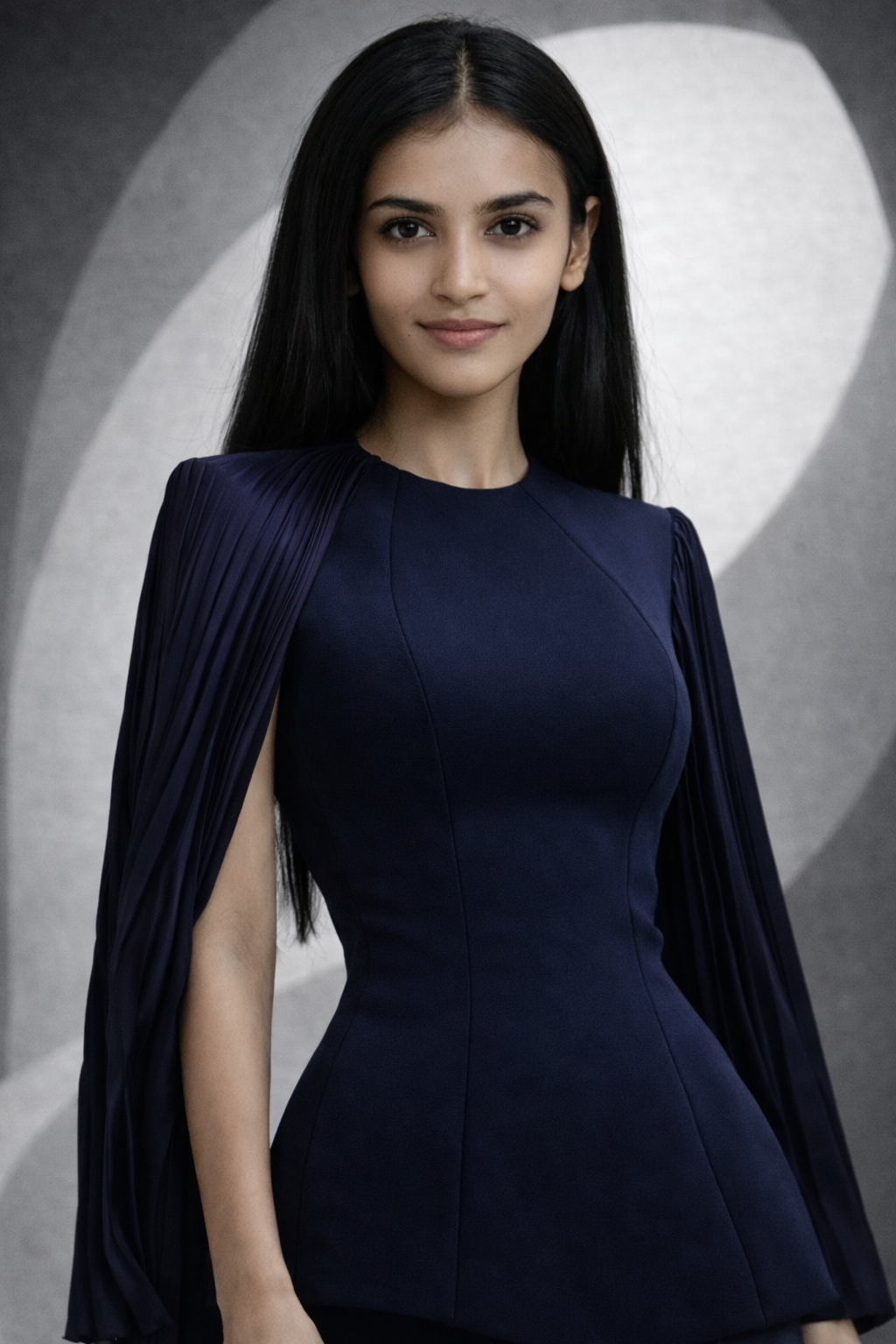
Sculpted dresses work more on emotion than movement. Seams, darts, and contours trace the body like architectural lines on a façade. They hold you gently but firmly, creating awareness of your own form. That awareness becomes presence quiet, confident, and unforced.
Confidence as a Physical Response
Confidence isn’t always a mindset. Often, it’s physical. When clothing provides structure, the body responds with alignment. When the body aligns, the mind follows naturally.
Wearable Architecture
This is why power dressing works not because it looks strong, but because it builds strength into the wearer. Structure gives permission to be seen. Clean lines create clarity. Clothing, at its best, is wearable architecture and when the structure is right, confidence becomes inevitable